


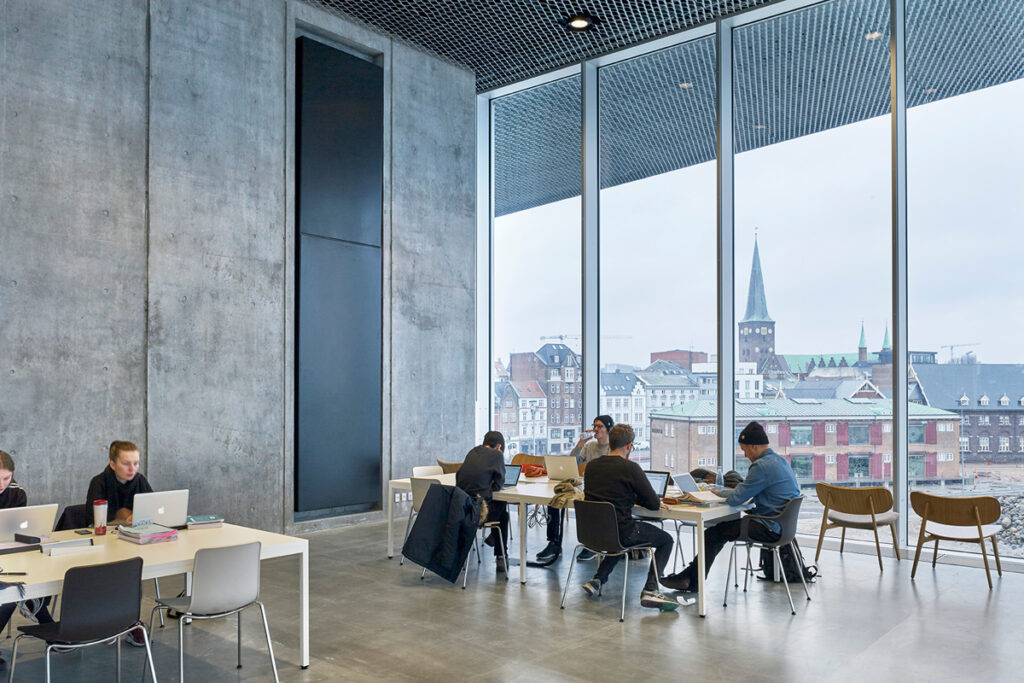
The green and sustainable transition does not only affect how we produce and distribute energy; it fundamentally changes the way we conceive buildings and interior design.
In many construction projects, heating has historically not been a priority and was rarely considered from the earliest conceptual stages. This is now changing. Heating is no longer a secondary technical issue but has become an integrated part of the architecture, the building’s functionality, and the overall user experience – provided it is considered early in both the design and decision-making processes.
Radiators were often seen as a necessary evil, something to be hidden as much as possible or added only once the spaces had already been defined. Today, expectations for heating solutions are fortunately very different. As buildings are now designed with a focus on sustainability, energy efficiency, and longevity, all elements must work together – and heating is, of course, no exception.
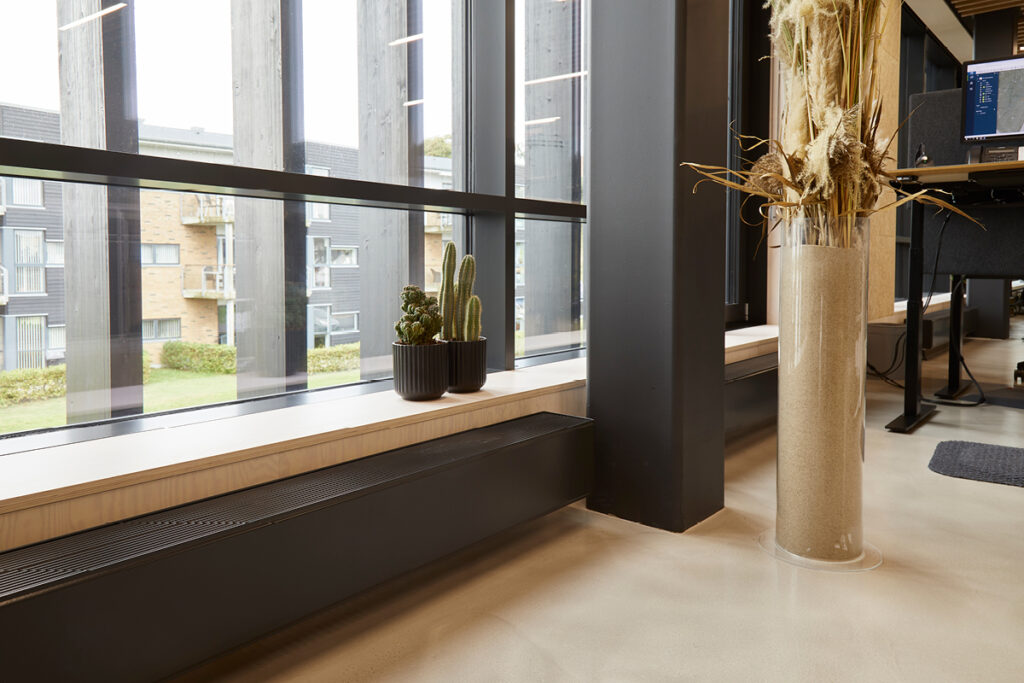
For architects, engineers, developers – in fact, all parties involved in a construction project – there are clear advantages to addressing heating solutions early in the process. The placement, sizing, and choice of radiators, underfloor heating, heat pumps, and similar systems directly influence spatial flow, façade expression, material choices, and furnishing.
When heating is planned in parallel with the architecture and the building’s design flow, frustrating compromises later in the process can be avoided. Instead, this leads to durable, well-considered solutions where the technical aspects of heating support and enhance the building’s aesthetic qualities.
At the same time, early planning makes it possible to optimise energy consumption and ensure that green energy solutions are integrated and prioritised from the outset.
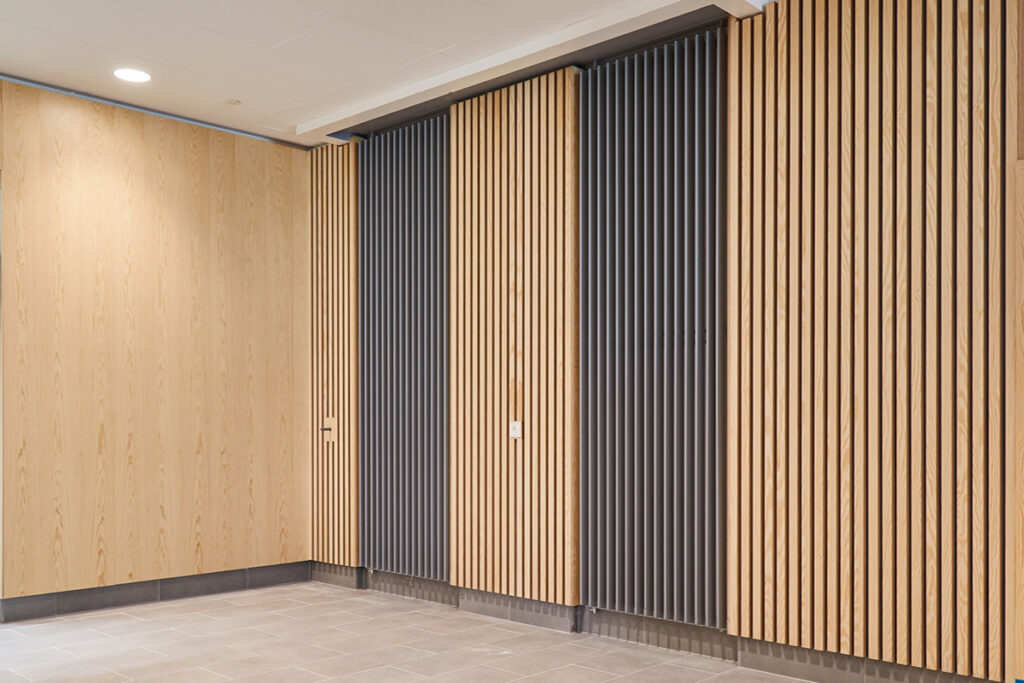
Modern heating today is not only about heat output, but equally about flexibility. Buildings must be able to adapt to changing needs, new energy requirements, and evolving patterns of use over time. Here, radiators can play an important role as an active and visible element within the interior design.
At Hudevad, we have always worked with a holistic approach in which function, quality, design, and aesthetics support one another. Our radiators are developed to perform optimally with todays and tomorrow’s heating systems, while giving architects the freedom to work with proportions, lines, and materials. A radiator can be discreet and integrated – or serve as a deliberate design element that contributes to the character of the space and supports its use.
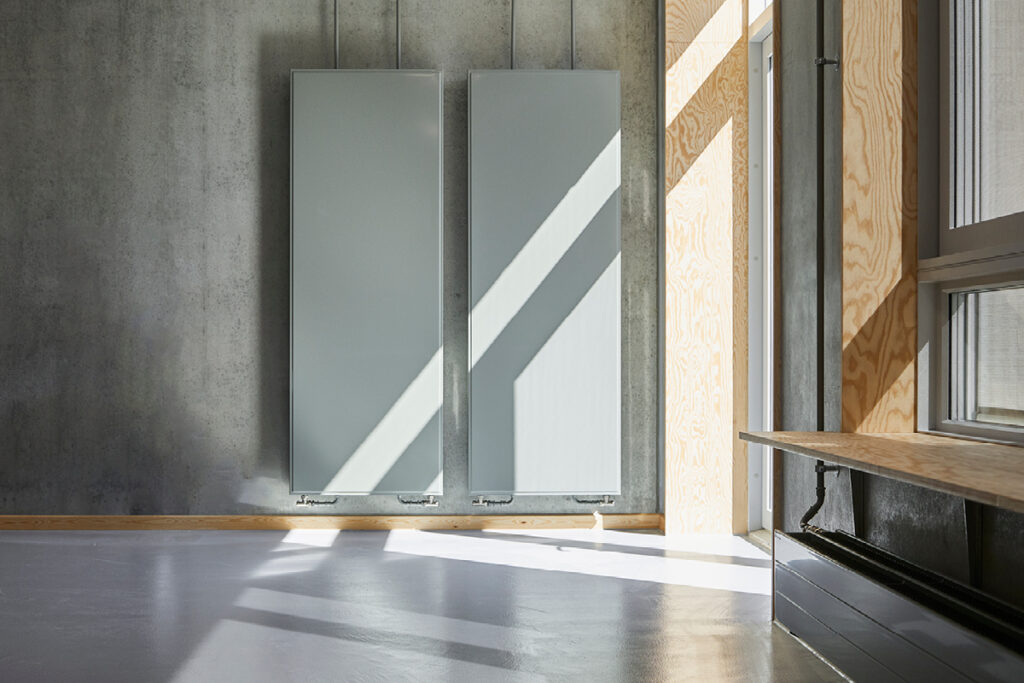
When heating is considered from the very beginning, value is created on several levels. Architects gain greater design freedom and fewer technical constraints. Developers benefit from improved comfort, lower energy consumption, and a more future-proof investment.
Green energy is not only about costly technical solutions hidden behind walls and ceilings. It is just as much about the overall experience of the spaces we inhabit every day. When heating is thoughtfully planned, efficient, and aesthetically integrated, it becomes a natural part of sustainable architecture – and an asset that contributes to well-being and long-term quality for end users and all stakeholders involved.
At Hudevad we provide professional assistance to professionals such as architects, engineers and contractors, but also advise private individuals on optimal and energy-efficient heating. We work and participate in very large heating projects from the very beginning of the project phase but also advise on improvements in existing heating solutions that need to be upgraded and modernized. You are always welcome to contact us for advice and consultancy if needed for your project. You can contact us here


